Here is a playlist to accompany this post!
I have done film photography for some years now, and I’ve had close to no improvement in my technique.
This is not really a problem – since whenever I find a limit, my go-to approach is just to use that limit as an axiom in my experimentation. That is, I take it for granted that I cannot things in the way that you are supposed to – and instead I embrace the faults and problems.
So when it turns out a roll of film was underexposed? Don’t worry! It is supposed to look like that.

Perhaps you could say that my technique has improved, but by the standards of a new method that is shaped by my own personal conditions.
It could also be said that I would have much to gain from actually engaging with, and trying to overcome, those limits. There is probably a point in that.
At the same time, I like this method, it leads to a sort of creative nomadism.

Instead of getting stuck in a single practice, or a single field – I keep learning things from a thousand different ones – leading me to be able to invent new practices, not bound to existing institutions.

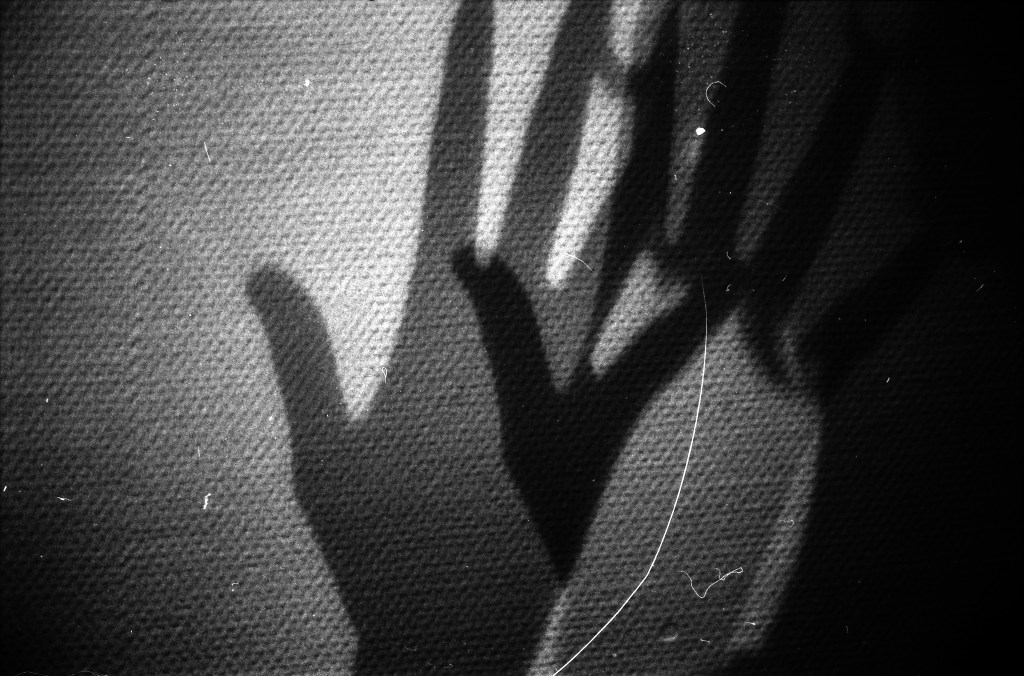


So what if you can barely see anything in the original photograph? That is film that is free to use for post-process experimentation! – and into chlorine the negatives goes …
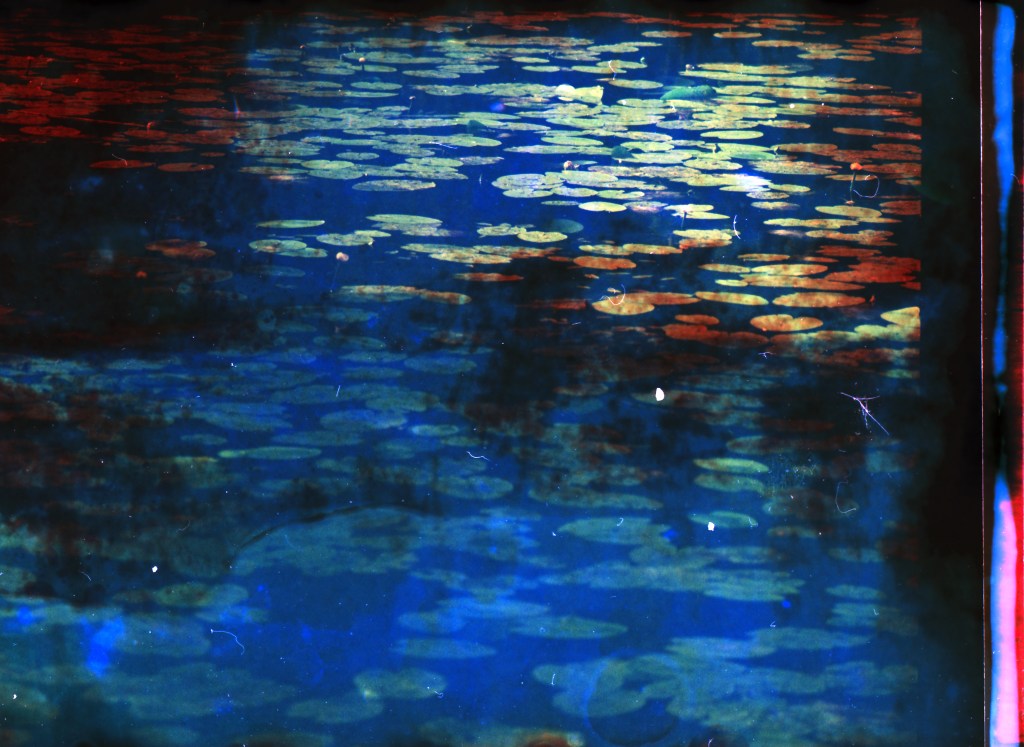
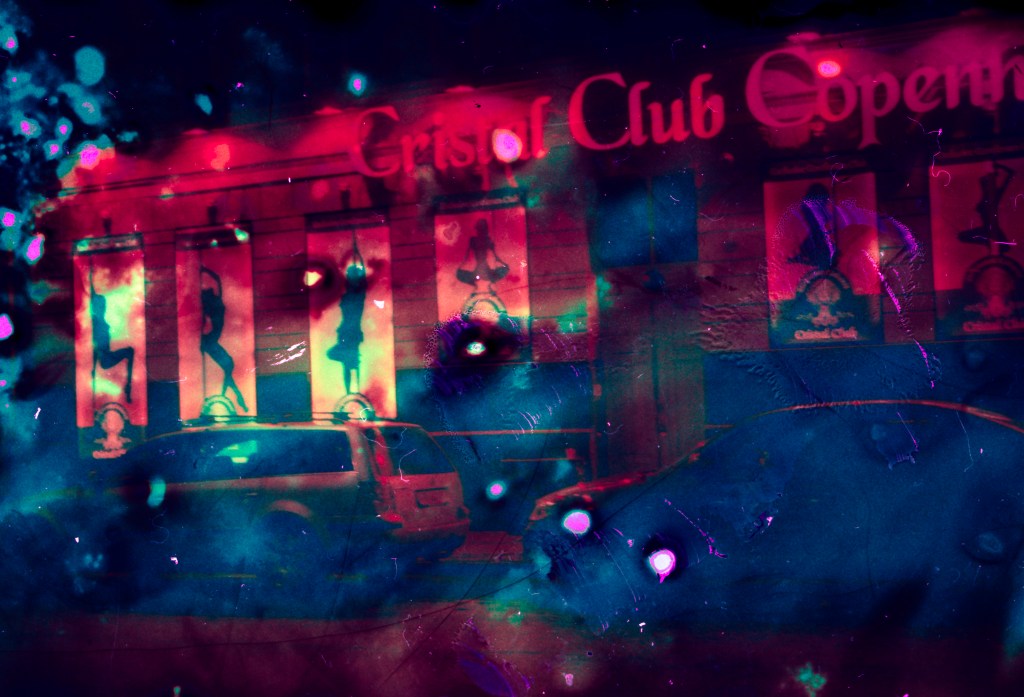

In general, I have noticed this general approach leads to results that lends itself well to a dissociative mood. Therefore I have decided to call it a ”dissociative photography”.


 Verafied Theory